
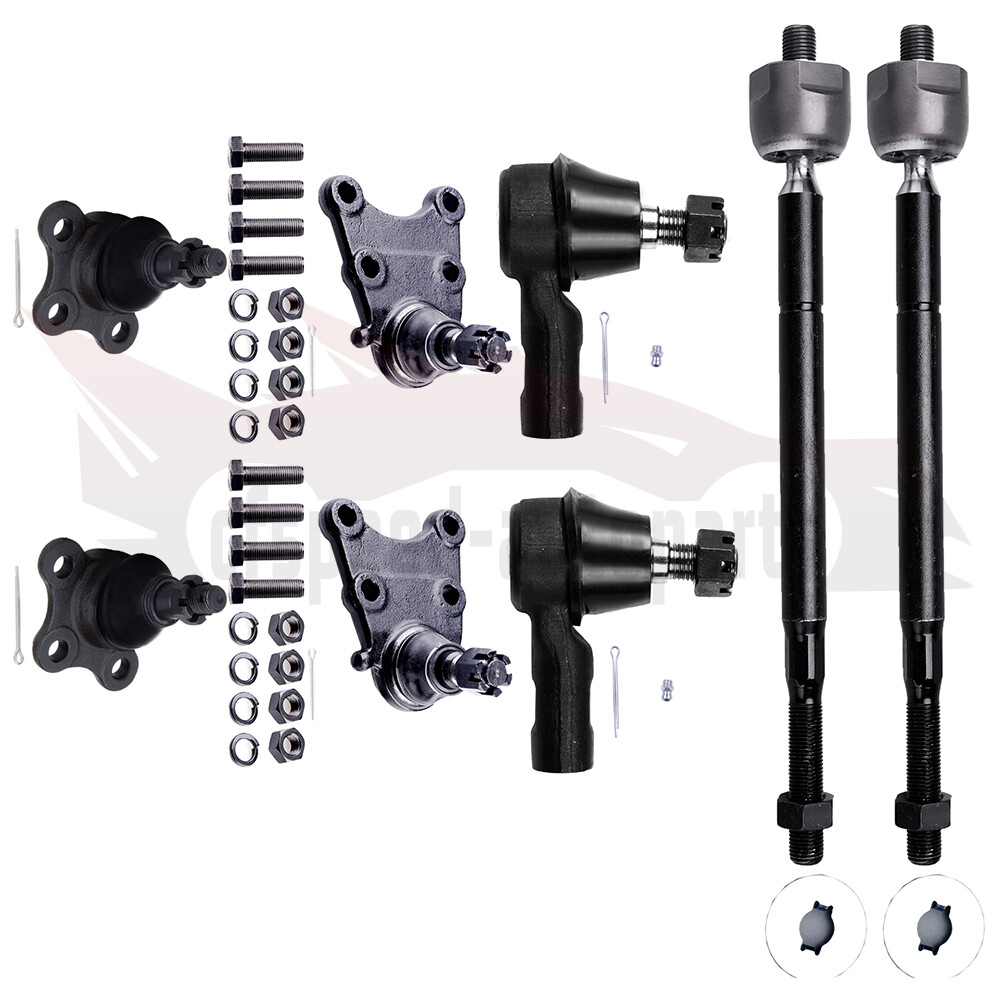
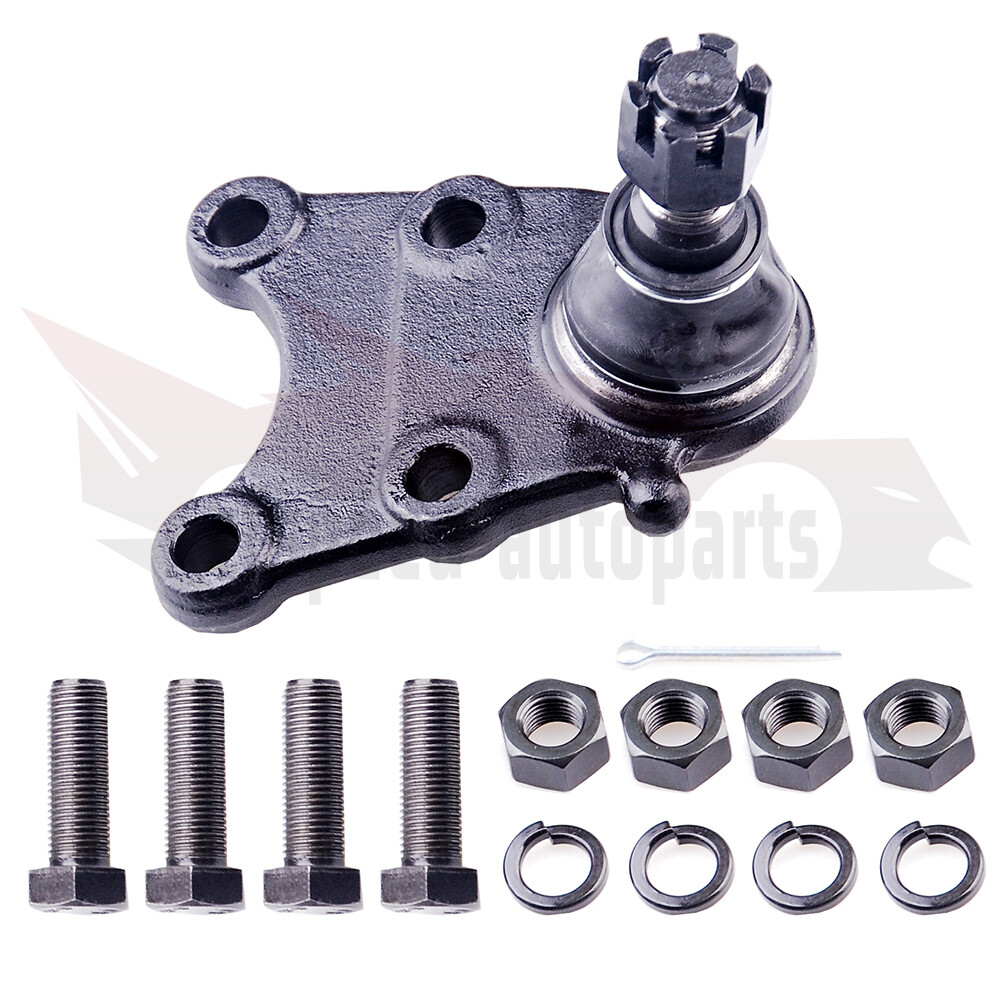
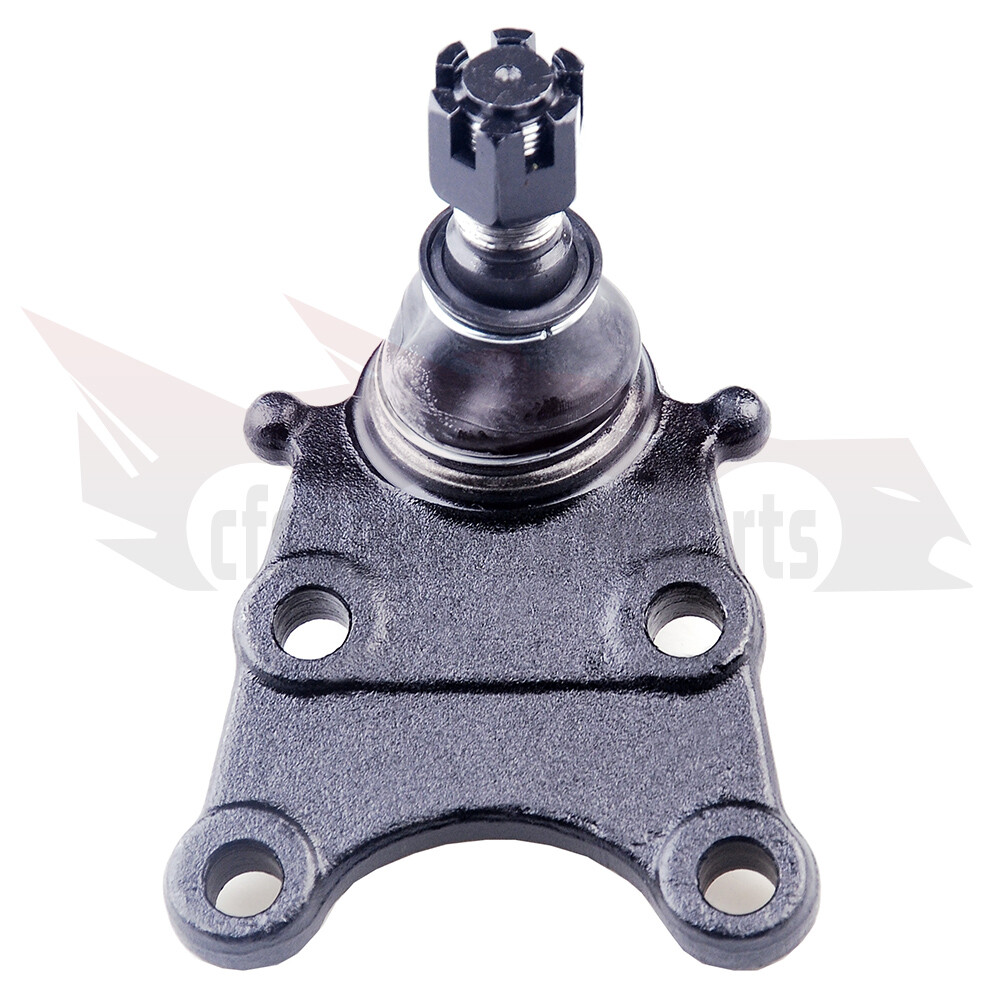
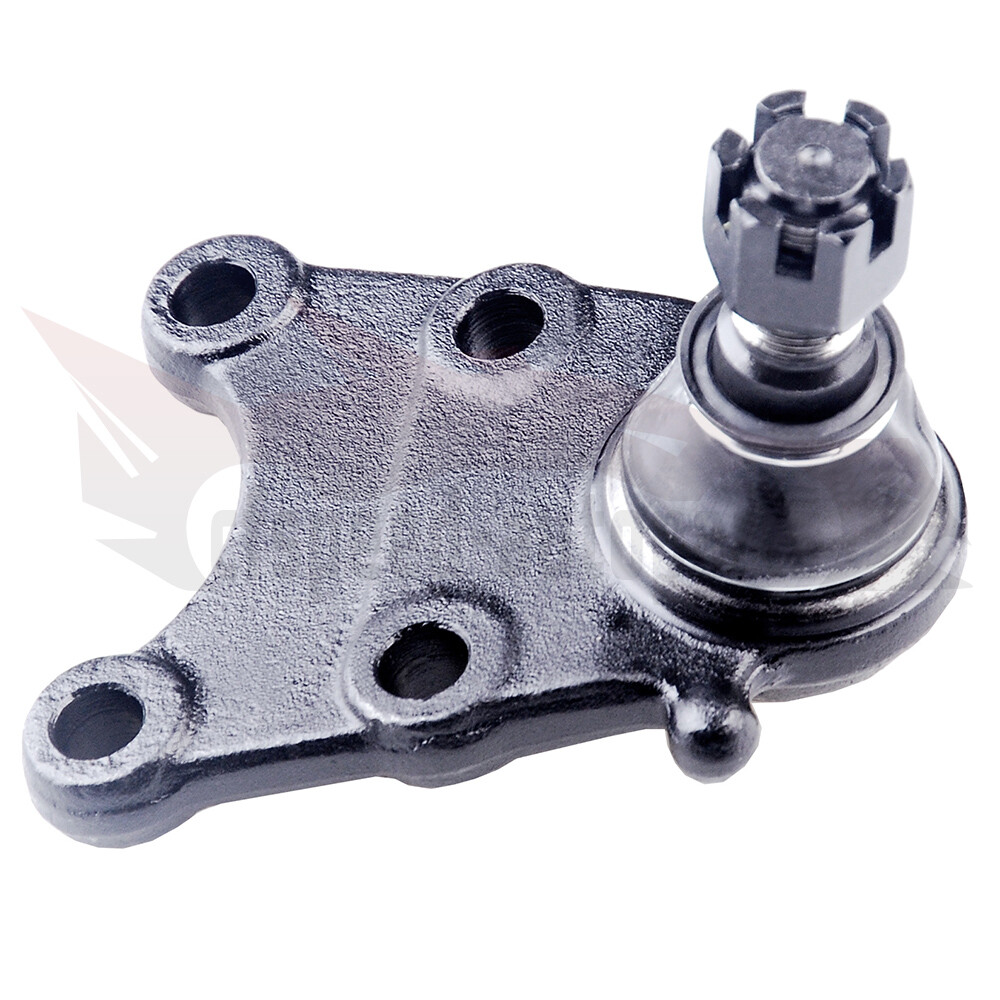

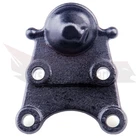
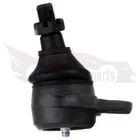
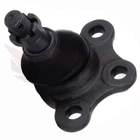
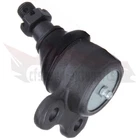
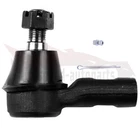
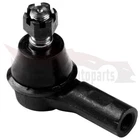
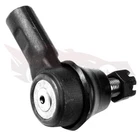

8pc Front Ball Joints & Tie Rod Ends for 98-02 Honda Passport
$ 32.78
Description
1.Fit For: 1998-2002 Honda Passport 1998-2000 Isuzu Amigo 2002-2004 Isuzu Axiom 1998-2004 Isuzu Rodeo 2001-2003 Isuzu Rodeo Sport 2.Package Includes: 2x Front Outer Tie Rod End -ES806222x Front Inner Tie Rod End -EV8002202x Front Lower Ball Joint -K94652x Front Upper Ball Joint -K90685 Notes (1).Please check the fitment chart above before payment making sure all the suspension parts listed on this page are compatible with your automobile. (2).Please refer to Moog official website before narrowing down your search so as to avoid unnecessary item not as described return requests. 8pcs Front Ball Joints Tie Rod End Linkage For 1998 1999 00 01 02 Honda Passport 1.Fit For: 1998-2002 Honda Passport 1998-2000 Isuzu Amigo 2002-2004 Isuzu Axiom 1998-2004 Isuzu Rodeo 2001-2003 Isuzu Rodeo Sport 2.Package Includes: 2x Front Outer Tie Rod End -ES806222x Front Inner Tie Rod End -EV8002202x Front Lower Ball Joint -K94652x Front Upper Ball Joint -K90685 Notes (1).Please check the fitment chart above before payment making sure all the suspension parts listed on this page are compatible with your automobile. (2).Please refer to Moog official website before narrowing down your search so as to avoid unnecessary item not as described return requests. (3).Please contact our customer services for targeted discount after all the items are received if you have reached any targeted discount thresholds, the terms of which is at the bottom of this page. If you are interested with any other suspension parts, please click and save our store . Ball Joint Ball joints may be grouped into two classifications, load carrying and non-load carrying. Ball joints may be manufactured with forged, stamped, cold-formed, or screw-machined housings. The coil spring is seated on the control arm to which the load-carrying ball joint is attached. For example, when the coil spring is mounted between the lower control arm and the chassis, the lower ball joint is a load-carrying joint. In a torsion bar suspension, the load-carrying ball joint is mounted on the control arm to which the torsion bar is attached. A load-carrying ball joint supports the vehicle weight. Ball Joint Replacement Guideline: If there is a knocking or clunking noise in the area of the front axle when the car is traveling over road bumps, potholes or curbs, then there is usually a defect in a component of the wheel suspension. Picture(A) The side of the front axle from which the (vibration) noise is emanating can already be determined during a test drive. The type of noise also already provides certain indications for maintenance regarding which components might be faulty. Picture(B) 1.Raise the vehicle and remove the front wheels. 2.To loosen the fastening screws and fixing nuts of the compression ball joint more easily, spray them with rust remover and allow to act for a few minutes. Picture(C) 3.Loosen the fastening screws of the broken ball joint on the control arm and remove the nuts. Picture(D) 4.Loosen and remove the fixing nut of the ball joint on the steering knuckle. Tip:If the ball stud rotates, hold the ball stud in place with a hexagon socket. Picture(E) 5.Remove the bad or worn ball joint from the control arm. 6.Loosen the compression ball joint on the steering knuckle using a suitable special tool. Picture(F) 7.Clean the cone connection. Tip:For better sealing and durability of the ball joint sleeve, a little silicone grease can be applied to the contact surface. Picture(G) 8.Insert new compression ball joint in the control arm and steering knuckle and tighten with new fixing nuts. 9.Reinstall front wheels. Lower the vehicle and tighten the wheel studs to the tightening torque specified by the vehicle manufacturer. 10.Measure the chassis and adjust it using the various holes on the compression ball joint if necessary. 11.Finally, carry out a test drive. Tie-Rod End The tie-rod assemblies connect the center link to the steering arms, which are bolted to the front steering knuckles. In some front suspensions, the steering arms are part of the steering knuckle; in other front suspension systems, the steering arms are bolted to the knuckle. A ball socket is mounted on the inner end to each tie-rod, and a tapered stud on this socket is mounted in a center link opening. A castellated nut and cotter pin retain the tie-rods to the center link. A threaded sleeve is mounted on the outer end of each tie-rod, and a tie-rod end is threaded into the outer end of this sleeve. Outer Tie-Rod End Some outer tie-rod ends have a ball stud that is surrounded by an upper hardened steel bearing and a high-strength polymer lower bearing seat. The hardened steel upper bearing provides strength and durability, and the polymer lower bearing seat provides smooth rotation of the ball stud in the tie-rod end. An internal spring between the polymer lower bearing seat supplies self-adjusting action and constant tension on this seat. A seal in the upper part of the ball joint housing seals the ball stud to prevent contaminants from entering the tie-rod end. These tie-rod ends are installed on some original equipment manufacturer’s vehicles, and they are available as replacement tie-rod ends on most vehicles. Inner Tie-Rod End Some inner tie-rod ends contain a bolt and bushing. These tie-rod ends are threaded onto the rack. Since the rack is connected directly to the tie-rods, the rack replaces the center link in a parallelogram steering linkage. Some inner tie-rod ends have a mirror-finished ball and a high-strength polymer bearing to ensure low torque, minimal friction, and extended life. A hardened alloy steel rod extends from the ball to the outer tie-rod end and provides maximum strength and durability. Tie-Rod End Replacement Guideline: If you feel a bump in the steering when driving over road bumps or curbs, this might be due to worn tie rod ends or inner tie rods. Clicking noises during sudden steering movements can also be symptoms of a defective tie rod. In order to determine the exact cause and replace the defective tie rod, the car must be elevated with a vehicle lift in order to be examined more closely. This useful tip applies to the exchange of tie rod ends and inner tie rods, which together form the so-called tie rod. Picture(A) Note: Cleanliness is extremely important when working on the power steering. Incorrect work and contamination can lead to leakage and, in the worst case, to failure of the steering assistance. 1.Lift the vehicle and dismount the front axle wheels. 2.Spray the fastening nut of the tie rod end with rust remover and leave it on for a few minutes. Picture(B) 3.Dismount the front underride guard. Picture(C) 4.Loosen the fastening nut from the tie rod and remove it completely. 5.Remove the tie rod end from the steering knuckle using an appropriate ball joint separator. Picture(D) 6.Remove the clamp of the bellow on the steering gear. 7.Push the bellow towards the tie rod end. Picture(E) 8.Unscrew the inner tie rod from the rack. 9.Clean the sealing face of the bellow at the steering gear. Picture(F) 10.Clean the lug of the rubber contact surface of the ball joint in the steering knuckle. Note:Always use new self-locking nuts and bolts for a reliable repair. 11.Screw the new inner tie rod into the rack and tighten it with the tightening torque that has been specified by the vehicle manufacturer. Picture(G) 12.Mount the bellow and close the clamps with the appropriate special tool. Note:Incorrect mounting of the bellow can lead to corrosion of the rack: the steering gear starts leaking which can lead to a failure in the steering assistance. Picture(H) 13.Secure the ball joint in the steering knuckle and mount the nut. Please observe the tightening torque suggested by the vehicle manufacturer. Note:During mounting, the ball stud should not turn within the ball joint. This can cause damage inside the ball joint and can lead to early failure. Tip:Secure the ball stud against twisting with a suitable tool. Picture(I) 14.Mount the front underride guard. 15.Mount the front wheels and tighten them with the tightening torque recommended by the vehicle manufacturer. 16.Align the wheels and adjust them if necessary. Observe the vehicle manufacturer specifications. 17.Perform a test drive. Note:When performing the test drive, pay special attention to the handling while cornering and listen for possible noise emission. Frequently Asked Questions (1).How will I know that I have to renew my ball joint parts? Or replace them? If your ball joint fails, you will listen to a strange sound while driving. And that sound may help you to realize that your ball joint has failed and you have to renew them. (2).What happens if a ball joint breaks? When a ball joint breaks, you will hear a mysterious noise inside your car wheel. Your car tire will wear-out since your alignment will be broken, and you will feel the car getting out of control. If the ball joint breaks completely, it can be separated, and things can turn sour quickly. The wheel will stop being nice and can even steer you off the road. It can be serious. Broken ball joints will seriously affect the steering and suspension. It can even result in your wheel falling off the car. (3).Are worn ball joints dangerous? Yes, it can be quite dangerous. Because, a worn ball joint causes suspension damage, inspection failure, and breakage of related parts. It might make your front suspension come apart while driving, so the wheels move in whatever direction inertia takes them. That can lead to a fatal accident. (4).What happens if I don't replace ball joints? If you don't want to replace your ball joints, then get ready to experience some serious issues. The old ball joints cause mysterious clunking noise or drifting steering. Once they are worn-out, it will seriously affect your steering and suspension. However, you do not need to change the ball joints if it is new. (5).Do I need to grease new ball joints? I would say it will be a wise decision if you grease your new ball joints. At least I will always grease a new one after the installation. Greasing a new ball joint will make it stronger and extend its lifetime because there is a minimal amount of grease inside. I suggest you do so after the first installation. Follow the instruction card. (6).When to replace tie rod ends? Tie rods can last for years and years and some car owners may never have to replace them at all, but their longevity can be affected by certain driving conditions. Driving obstacles like potholes, poor road conditions or even minor accidents can cause tie rods to work incorrectly. Because of their importance and high usage, some people recommend having the tie rods inspected regularly. (7).Why should I get my tie rods inspected on a regular basis? If you don't get your tie rods inspected on a regular basis, there are some warning signs to watch (and listen) for. If your vehicle pulls to one side while driving, or when braking, it's possible that bad tie rods may be the culprit. Your vehicle's tires will also show uneven wear on the inside and outside edge of the tire when there's a tire rod issue. However, one of the most noticeable signs of tie rods going bad will be a knocking sound coming from the front end of the vehicle when you turn into a parking space, or some other low speed, tight turning situation. (8).Vibrations One of the first symptoms that your tie rods are damaged or breaking is that the steering wheel will vibrate slightly. This is especially prevalent when you are speeding up or turning. This happens because the steering wheel is losing its control over the tires, causing the steering wheel to shimmy as you drive. (9).Shaking As the tie rods become further damaged, you will start to notice that the car itself will start to shake. This happens because the tires may start to wobble without you having full control over them. Although you should take your car into a mechanic at the first sign of tie rod problems, if you experience your car shaking you could be at risk for serious tie rod damage-which can cause accidents. Take your car into a mechanic if you experience this tie rod symptom. (10).Wandering If your tie rods continue to go unchecked or unfixed, the rods can completely break. This can cause you to lose all control of your car, possibly resulting in an accident. When this occurs, the car will may "wander" as you drive. At this point, the steering wheel will have no control over the tires and the tires will start moving independently, causing the car to drift while you are driving. If this happens while you are on a freeway or busy road, you and others could be at serious risk of an accident. If you experience wandering, stop your car, call a two truck and take your car to the nearest mechanic. Item Specifics Placement on Vehicle Front Outer Inner Lower Upper Type Ball Joint Universal Fitment No Included Hardware Mounting Hardware Custom Bundle Yes Interchange Part Number ES80622,EV800220,K9465,K90685 Superseded Part Number control arm ball joint,upper and lower ball joints replacement OE/OEM Part Number Ball Joints Kit Assembly and Steering Tie Rod Ends Linkages Cross Reference Part Number Front Driver and Passenger Side Replacement Manufacturer Warranty 10 Year Brand cfspeed-autoparts Manufacturer Part Number TA81303801P Adjustable Yes Material Alloy Steel Kit or Single Part Kit Greasable or Sealed Greasable OE Spec or Performance/Custom OE Spec Surface Finish Polished, Rust Protected Quantity 8Pcs Items Included Tie Rod End, Ball Joint Payment Payments are expected within 7 days after the last winning auction is closed; Otherwise Unpaid Item Dispute will be filed with eBay. Shipping Product will be shipped within 2 business days after full payment is received and verified. Delivery Time is about 3-7 business days to most of countries. All domestic orders will be shipped via USPS, UPS or FedEx from our US warehouse and usually arrives to your door in about 3-5 business days. We ship the package to your shipping address in eBay instead of the one in PayPal. Please tell us your shipping address if it is different from the one in eBay. The tracking number will be given for the customer to check the shipping status online (registered or faster service only). We are not responsible for any wrong or undeliverable addresses. Please verify and update your shipping address on eBay during checkout. Returns We stand behind every product we sell. All of our brand new items come with a 60-Days money-back guarantee. We define the item as defective only if it doesn't function as described. It is the buyer's responsibility to understand the item description before bidding. We will replace the defective items, provided that they are in stock within the warranty period posted with the listing and the buyer return the original item and pay for the S&H cost for the replacement. We will refund the purchase price if the replacement is not available or buyer prefers a refund and send the original item back at his/her own cost. Shipping & handling cost are not refundable. Man-made damage by abuse or wrong operation is not covered by this warranty. No product liability insurance is assumed. Contact Us We are dedicated to provide high quality products and satisfied customer service to our sincerely customers, so if there's any questions or problems with our products or service, feel free to contact us please. Shop Category Store Home Suspension Parts ◈ Air Strut Assembly ◈ Air Spring ◈ Air Suspension Compressor ◈ Solenoid Valve Block ◈ Truck & Trailer Springs Truck & Trailer Springs Vehicles ◈ Audi ◈ Bentley ◈ BMW ◈ Buick ◈ Cadillac ◈ Chevrolet ◈ Citroen ◈ Dodge ◈ Ford ◈ GMC ◈ Hyundai ◈ Infiniti ◈ Isuzu ◈ Jaguar ◈ Jeep ◈ Land Rover ◈ Lexus ◈ Lincoln ◈ Mercedes-Benz ◈ Mercury ◈ Oldsmobile ◈ Porsche ◈ Saab ◈ Toyota ◈ Volkswagen Suspension Kits Air suspension valves solenoid Shocks & Struts Struts & Suspension Kit & Hubs coilovers complete strut Brake System Parts ◈ Brake Calipers ◈ Brake Drums & Brake Shoes ◈ Brake Pads & Brake Shoes Lift Supports Bumper Assembly Steering Knuckle Mass Air Flow Sensor Strut Mount air dryer Power Brake Booster trim tilt motor Removal Tool Control Arm Camber Arm dipstick Cylinder Piston Kit snorkel air intake Ballast Module Horns & Sirens Mud Flaps Protection Shield & Lift Kit Coil Springs Clock Spring Radius Arm Other Hot Item For Chevy Silverado GMC Sierra 1500 Front Struts Control Arm Ball Joint Tie Rod USD 245.77 Pair Front Left and Right Shock Strut Assembly For Chevrolet Equinox GMC Terrain USD 64.90 Rear Pair Air Suspension Air Spring For Lincoln Town Car Mercury Grand Marquis USD 66.58 For 07-2012 Nissan Versa Front Struts Lower Control Arm Tierod Sway Bars 10pcs USD 171.65 New Front Lower Left Control Arm Kit Fit For 2005 2006 2007-12 Chevrolet Malibu USD 54.18 Excellent Delivery Help & Info Payment Policy Shipping Policy Return Policy FAQ About Us New List Item Front 2x Shocks Absorber Struts For MERCEDES-BENZ CLK320 CLK350 C240 C280 C320 USD 55.79 Front Struts Shocks Absorber Pair Assembly Kits For SUBARU IMPREZA 2008-2011 USD 59.83 Rear Shock Struts Cartridge Pair Assembly Set For Ford Transit Connect 2010-13 USD 41.39 Air Dryer System Saver 1200 Plus For 4324711010 4324710010 Freightliner Air Drye USD 147.19 Rear Shocks Absorbers Bare Struts Cartridge Pair Assembly Set For BMW X5 2007-13 USD 49.49 8pcs Front Ball Joints Tie Rod End Linkage For 1998 1999 00 01 02 Honda Passport 1.Fit For: 1998-2002 Honda Passport 1998-2000 Isuzu Amigo 2002-2004 Isuzu Axiom 1998-2004 Isuzu Rodeo 2001-2003 Isuzu Rodeo Sport 2.Package Includes: 2x Front Outer Tie Rod End -ES806222x Front Inner Tie Rod End -EV8002202x Front Lower Ball Joint -K94652x Front Upper Ball Joint -K90685 Notes (1).Please check the fitment chart above before payment making sure all the suspension parts listed on this page are compatible with your automobile. (2).Please refer to Moog official website before narrowing down your search so as to avoid unnecessary item not as described return requests. (3).Please contact our customer services for targeted discount after all the items are received if you have reached any targeted discount thresholds, the terms of which is at the bottom of this page. If you are interested with any other suspension parts, please click and save our store . Ball Joint Ball joints may be grouped into two classifications, load carrying and non-load carrying. Ball joints may be manufactured with forged, stamped, cold-formed, or screw-machined housings. The coil spring is seated on the control arm to which the load-carrying ball joint is attached. For example, when the coil spring is mounted between the lower control arm and the chassis, the lower ball joint is a load-carrying joint. In a torsion bar suspension, the load-carrying ball joint is mounted on the control arm to which the torsion bar is attached. A load-carrying ball joint supports the vehicle weight. Ball Joint Replacement Guideline: If there is a knocking or clunking noise in the area of the front axle when the car is traveling over road bumps, potholes or curbs, then there is usually a defect in a component of the wheel suspension. Picture(A) The side of the front axle from which the (vibration) noise is emanating can already be determined during a test drive. The type of noise also already provides certain indications for maintenance regarding which components might be faulty. Picture(B) 1.Raise the vehicle and remove the front wheels. 2.To loosen the fastening screws and fixing nuts of the compression ball joint more easily, spray them with rust remover and allow to act for a few minutes. Picture(C) 3.Loosen the fastening screws of the broken ball joint on the control arm and remove the nuts. Picture(D) 4.Loosen and remove the fixing nut of the ball joint on the steering knuckle. Tip:If the ball stud rotates, hold the ball stud in place with a hexagon socket. Picture(E) 5.Remove the bad or worn ball joint from the control arm. 6.Loosen the compression ball joint on the steering knuckle using a suitable special tool. Picture(F) 7.Clean the cone connection. Tip:For better sealing and durability of the ball joint sleeve, a little silicone grease can be applied to the contact surface. Picture(G) 8.Insert new compression ball joint in the control arm and steering knuckle and tighten with new fixing nuts. 9.Reinstall front wheels. Lower the vehicle and tighten the wheel studs to the tightening torque specified by the vehicle manufacturer. 10.Measure the chassis and adjust it using the various holes on the compression ball joint if necessary. 11.Finally, carry out a test drive. Tie-Rod End The tie-rod assemblies connect the center link to the steering arms, which are bolted to the front steering knuckles. In some front suspensions, the steering arms are part of the steering knuckle; in other front suspension systems, the steering arms are bolted to the knuckle. A ball socket is mounted on the inner end to each tie-rod, and a tapered stud on this socket is mounted in a center link opening. A castellated nut and cotter pin retain the tie-rods to the center link. A threaded sleeve is mounted on the outer end of each tie-rod, and a tie-rod end is threaded into the outer end of this sleeve. Outer Tie-Rod End Some outer tie-rod ends have a ball stud that is surrounded by an upper hardened steel bearing and a high-strength polymer lower bearing seat. The hardened steel upper bearing provides strength and durability, and the polymer lower bearing seat provides smooth rotation of the ball stud in the tie-rod end. An internal spring between the polymer lower bearing seat supplies self-adjusting action and constant tension on this seat. A seal in the upper part of the ball joint housing seals the ball stud to prevent contaminants from entering the tie-rod end. These tie-rod ends are installed on some original equipment manufacturer’s vehicles, and they are available as replacement tie-rod ends on most vehicles. Inner Tie-Rod End Some inner tie-rod ends contain a bolt and bushing. These tie-rod ends are threaded onto the rack. Since the rack is connected directly to the tie-rods, the rack replaces the center link in a parallelogram steering linkage. Some inner tie-rod ends have a mirror-finished ball and a high-strength polymer bearing to ensure low torque, minimal friction, and extended life. A hardened alloy steel rod extends from the ball to the outer tie-rod end and provides maximum strength and durability. Tie-Rod End Replacement Guideline: If you feel a bump in the steering when driving over road bumps or curbs, this might be due to worn tie rod ends or inner tie rods. Clicking noises during sudden steering movements can also be symptoms of a defective tie rod. In order to determine the exact cause and replace the defective tie rod, the car must be elevated with a vehicle lift in order to be examined more closely. This useful tip applies to the exchange of tie rod ends and inner tie rods, which together form the so-called tie rod. Picture(A) Note: Cleanliness is extremely important when working on the power steering. Incorrect work and contamination can lead to leakage and, in the worst case, to failure of the steering assistance. 1.Lift the vehicle and dismount the front axle wheels. 2.Spray the fastening nut of the tie rod end with rust remover and leave it on for a few minutes. Picture(B) 3.Dismount the front underride guard. Picture(C) 4.Loosen the fastening nut from the tie rod and remove it completely. 5.Remove the tie rod end from the steering knuckle using an appropriate ball joint separator. Picture(D) 6.Remove the clamp of the bellow on the steering gear. 7.Push the bellow towards the tie rod end. Picture(E) 8.Unscrew the inner tie rod from the rack. 9.Clean the sealing face of the bellow at the steering gear. Picture(F) 10.Clean the lug of the rubber contact surface of the ball joint in the steering knuckle. Note:Always use new self-locking nuts and bolts for a reliable repair. 11.Screw the new inner tie rod into the rack and tighten it with the tightening torque that has been specified by the vehicle manufacturer. Picture(G) 12.Mount the bellow and close the clamps with the appropriate special tool. Note:Incorrect mounting of the bellow can lead to corrosion of the rack: the steering gear starts leaking which can lead to a failure in the steering assistance. Picture(H) 13.Secure the ball joint in the steering knuckle and mount the nut. Please observe the tightening torque suggested by the vehicle manufacturer. Note:During mounting, the ball stud should not turn within the ball joint. This can cause damage inside the ball joint and can lead to early failure. Tip:Secure the ball stud against twisting with a suitable tool. Picture(I) 14.Mount the front underride guard. 15.Mount the front wheels and tighten them with the tightening torque recommended by the vehicle manufacturer. 16.Align the wheels and adjust them if necessary. Observe the vehicle manufacturer specifications. 17.Perform a test drive. Note:When performing the test drive, pay special attention to the handling while cornering and listen for possible noise emission. Frequently Asked Questions (1).How will I know that I have to renew my ball joint parts? Or replace them? If your ball joint fails, you will listen to a strange sound while driving. And that sound may help you to realize that your ball joint has failed and you have to renew them. (2).What happens if a ball joint breaks? When a ball joint breaks, you will hear a mysterious noise inside your car wheel. Your car tire will wear-out since your alignment will be broken, and you will feel the car getting out of control. If the ball joint breaks completely, it can be separated, and things can turn sour quickly. The wheel will stop being nice and can even steer you off the road. It can be serious. Broken ball joints will seriously affect the steering and suspension. It can even result in your wheel falling off the car. (3).Are worn ball joints dangerous? Yes, it can be quite dangerous. Because, a worn ball joint causes suspension damage, inspection failure, and breakage of related parts. It might make your front suspension come apart while driving, so the wheels move in whatever direction inertia takes them. That can lead to a fatal accident. (4).What happens if I don't replace ball joints? If you don't want to replace your ball joints, then get ready to experience some serious issues. The old ball joints cause mysterious clunking noise or drifting steering. Once they are worn-out, it will seriously affect your steering and suspension. However, you do not need to change the ball joints if it is new. (5).Do I need to grease new ball joints? I would say it will be a wise decision if you grease your new ball joints. At least I will always grease a new one after the installation. Greasing a new ball joint will make it stronger and extend its lifetime because there is a minimal amount of grease inside. I suggest you do so after the first installation. Follow the instruction card. (6).When to replace tie rod ends? Tie rods can last for years and years and some car owners may never have to replace them at all, but their longevity can be affected by certain driving conditions. Driving obstacles like potholes, poor road conditions or even minor accidents can cause tie rods to work incorrectly. Because of their importance and high usage, some people recommend having the tie rods inspected regularly. (7).Why should I get my tie rods inspected on a regular basis? If you don't get your tie rods inspected on a regular basis, there are some warning signs to watch (and listen) for. If your vehicle pulls to one side while driving, or when braking, it's possible that bad tie rods may be the culprit. Your vehicle's tires will also show uneven wear on the inside and outside edge of the tire when there's a tire rod issue. However, one of the most noticeable signs of tie rods going bad will be a knocking sound coming from the front end of the vehicle when you turn into a parking space, or some other low speed, tight turning situation. (8).Vibrations One of the first symptoms that your tie rods are damaged or breaking is that the steering wheel will vibrate slightly. This is especially prevalent when you are speeding up or turning. This happens because the steering wheel is losing its control over the tires, causing the steering wheel to shimmy as you drive. (9).Shaking As the tie rods become further damaged, you will start to notice that the car itself will start to shake. This happens because the tires may start to wobble without you having full control over them. Although you should take your car into a mechanic at the first sign of tie rod problems, if you experience your car shaking you could be at risk for serious tie rod damage-which can cause accidents. Take your car into a mechanic if you experience this tie rod symptom. (10).Wandering If your tie rods continue to go unchecked or unfixed, the rods can completely break. This can cause you to lose all control of your car, possibly resulting in an accident. When this occurs, the car will may "wander" as you drive. At this point, the steering wheel will have no control over the tires and the tires will start moving independently, causing the car to drift while you are driving. If this happens while you are on a freeway or busy road, you and others could be at serious risk of an accident. If you experience wandering, stop your car, call a two truck and take your car to the nearest mechanic. Item Specifics Placement on Vehicle : Front Outer Inner Lower Upper Type : Ball Joint Universal Fitment : No Included Hardware : Mounting Hardware Custom Bundle : Yes Interchange Part Number : ES80622,EV800220,K9465,K90685 Superseded Part Number : control arm ball joint,upper and lower ball joints replacement OE/OEM Part Number : Ball Joints Kit Assembly and Steering Tie Rod Ends Linkages Cross Reference Part Number : Front Driver and Passenger Side Replacement Manufacturer Warranty : 10 Year Brand : cfspeed-autoparts Manufacturer Part Number : TA81303801P Adjustable : Yes Material : Alloy Steel Kit or Single Part : Kit Greasable or Sealed : Greasable OE Spec or Performance/Custom : OE Spec Surface Finish : Polished, Rust Protected Quantity : 8Pcs Items Included : Tie Rod End, Ball Joint Payment Shipping Returns Contact Us Payments are expected within 7 days after the last winning auction is closed; Otherwise Unpaid Item Dispute will be filed with eBay. Product will be shipped within 2 business days after full payment is received and verified. Delivery Time is about 3-7 business days to most of countries. All domestic orders will be shipped via USPS, UPS or FedEx from our US warehouse and usually arrives to your door in about 3-5 business days. We ship the package to your shipping address in eBay instead of the one in PayPal. Please tell us your shipping address if it is different from the one in eBay. The tracking number will be given for the customer to check the shipping status online (registered or faster service only). We are not responsible for any wrong or undeliverable addresses. Please verify and update your shipping address on eBay during checkout. We stand behind every product we sell. All of our brand new items come with a 60-Days money-back guarantee. We define the item as defective only if it doesn't function as described. It is the buyer's responsibility to understand the item description before bidding. We will replace the defective items, provided that they are in stock within the warranty period posted with the listing and the buyer return the original item and pay for the S&H cost for the replacement. We will refund the purchase price if the replacement is not available or buyer prefers a refund and send the original item back at his/her own cost. Shipping & handling cost are not refundable. Man-made damage by abuse or wrong operation is not covered by this warranty. No product liability insurance is assumed. We are dedicated to provide high quality products and satisfied customer service to our sincerely customers, so if there's any questions or problems with our products or service, feel free to contact us please. All rights reserved.
Appreciate the customer service. There communication skills and thorough investigation to get me the right parts was truly welcoming. Thank you for constantly keeping me updated with all matters pertaining to the parcels, splits within package orders and tracking numbers. Grateful for the rapid shipping and for a phenomenal deal on good quality parts. Looking forward to shopping again for more car parts in the future.
a great value, however the swingarms are not as pictured. The seller uses the pictures and part numbers from the brand MOOG, and you are clearly not receiving MOOG brand parts. But they do work and time will tell how long they last. However shipping was fast and the price cant be beat, and the parts are decent, but they are not MOOG.
Thank you lookslike good quality parts looks super great condition brand new also awesome great price great packaging awesome fast shipping five ⭐️all around awesome seller as well
Related products
8pcs Suspension Control Arm & Tie Rod Kit for 2005-2010 Chrysler 300
$ 38.078x Front Lower Control Arms Tie Rods Sway Bars for Buick Lucerne Cadillac DTS
$ 71.4912pcs Front Ball Joint & Tie Rod End Kit for 2001-2004 Toyota Tacoma
$ 43.978pcs Front Suspension Kit for 2004-2008 Toyota Solara - Ball Joints, Tie Rods, Bellows
$ 28.07