

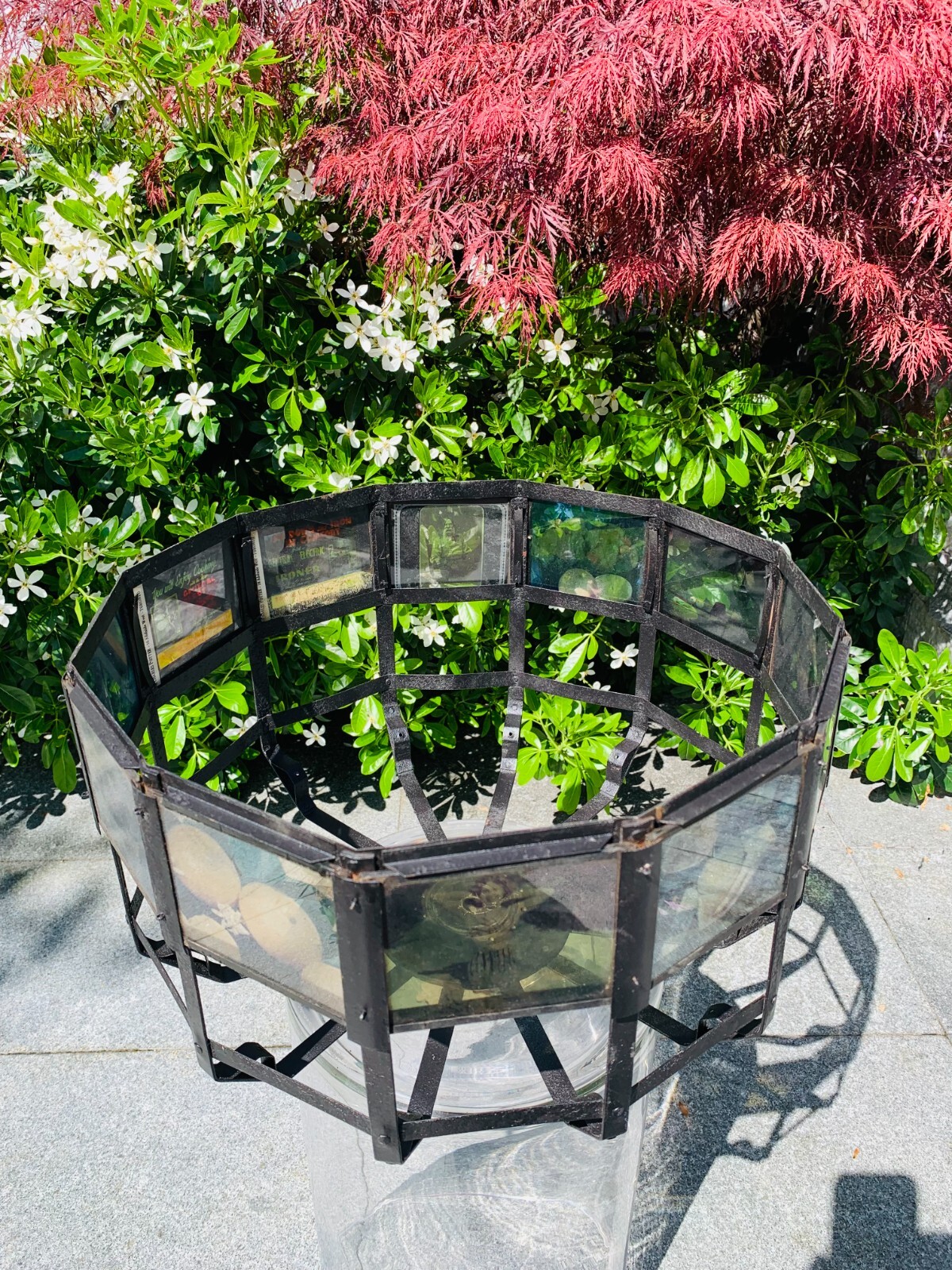
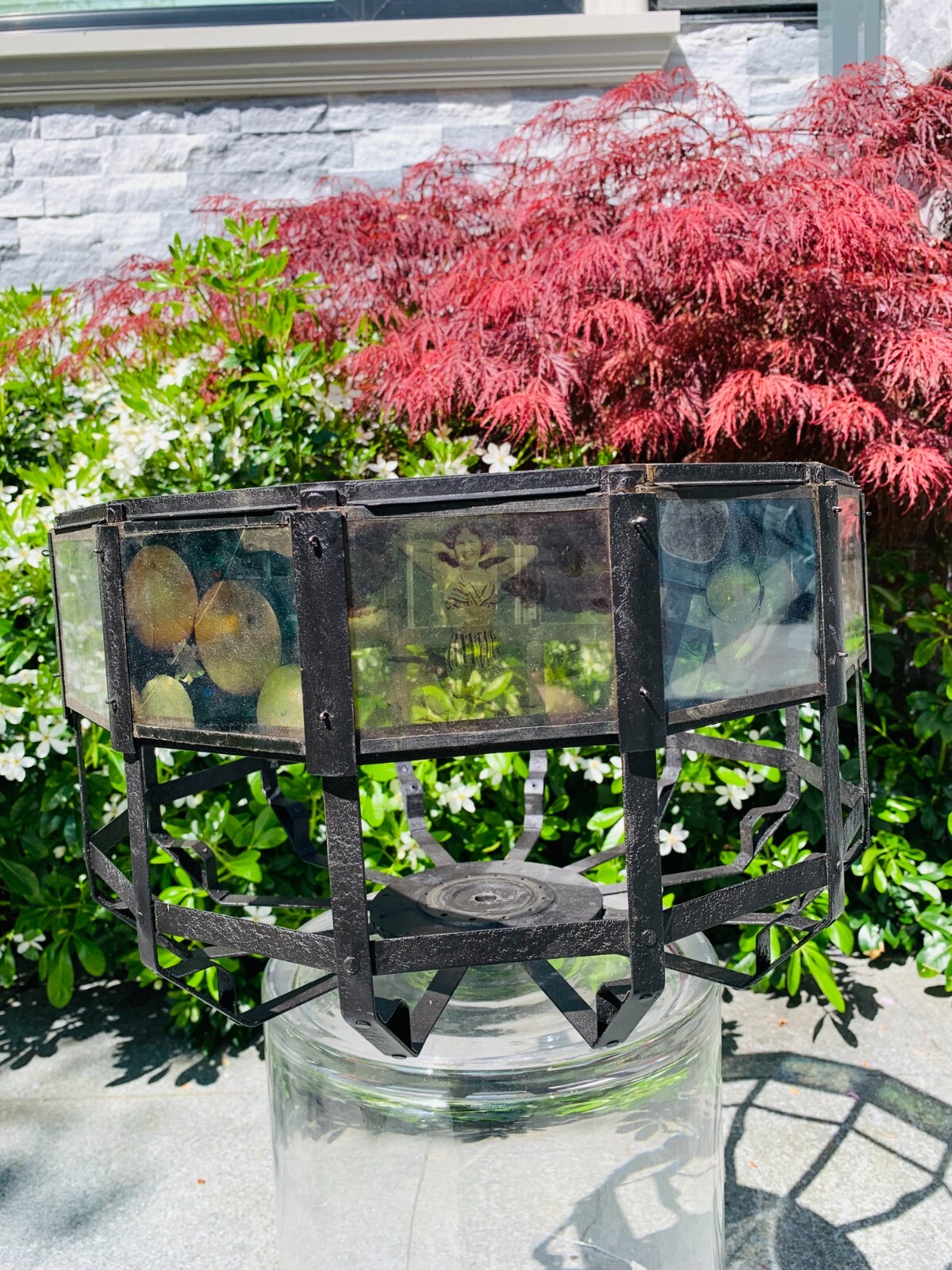
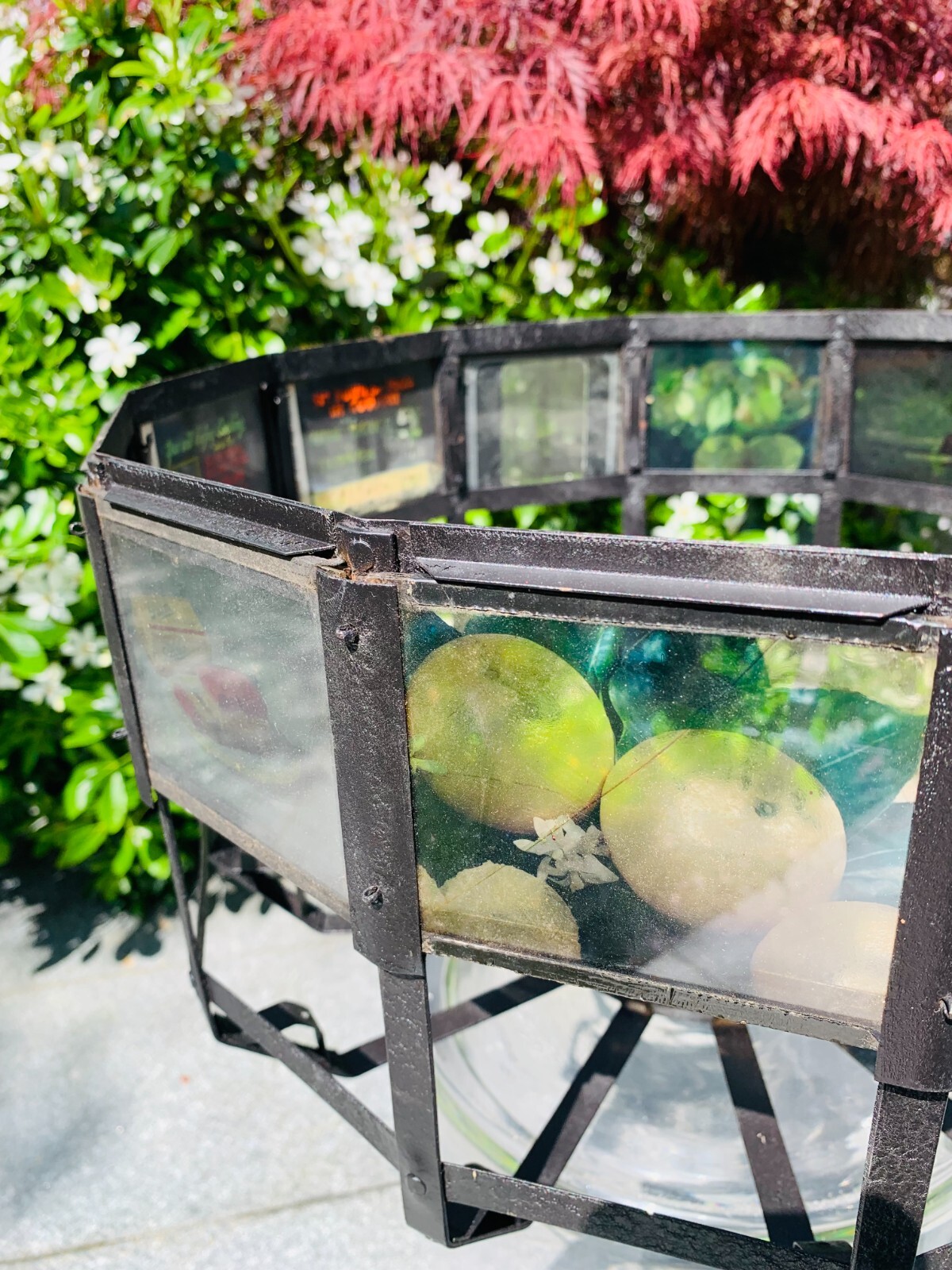
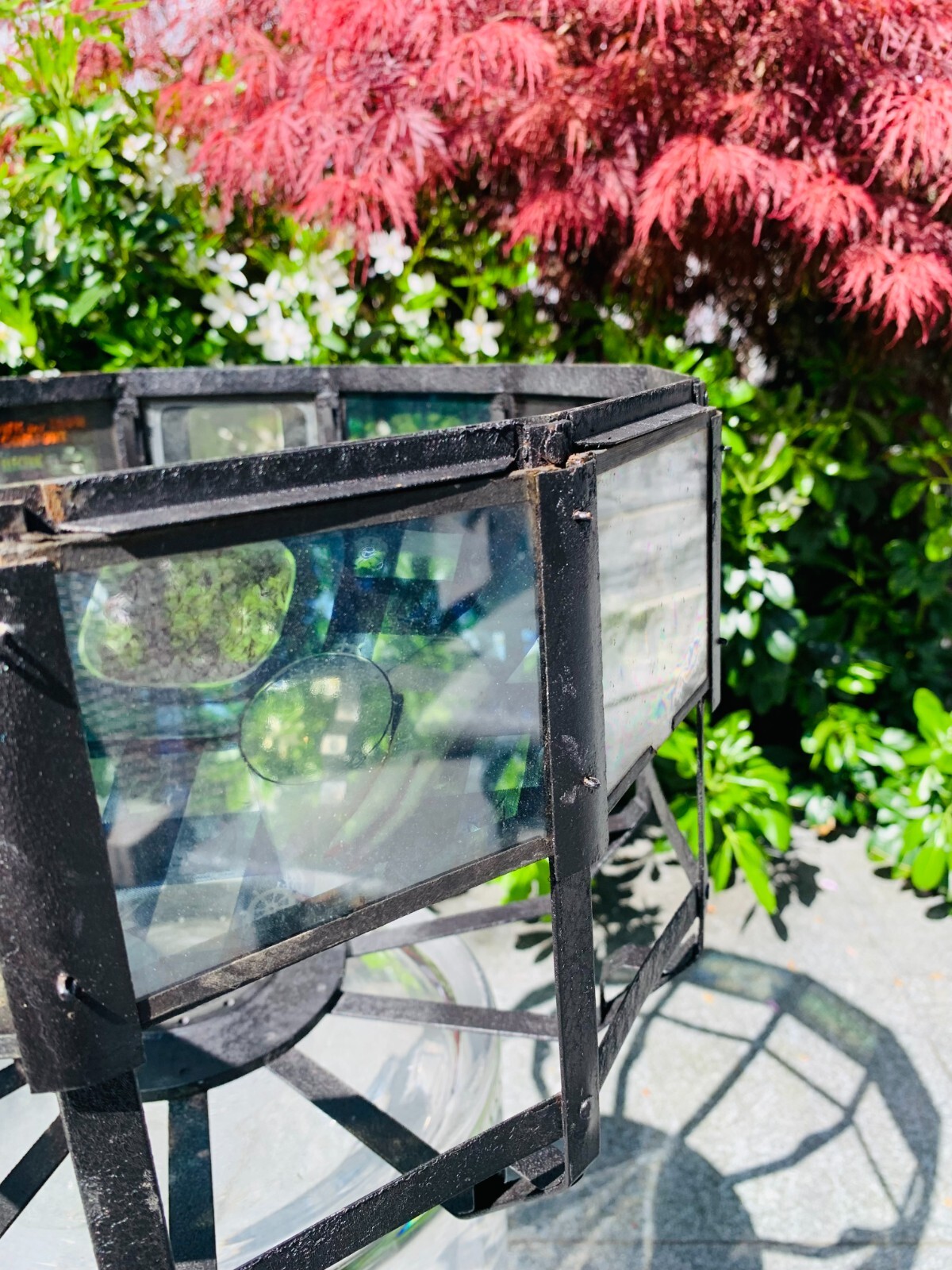




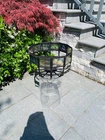
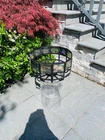
Antique Early Zoetrope Movie Cinematography Viewing Device Metal
$ 192.24
Description
Antique Early Zoetrope Movie Cinematography Viewing Device Metal Antique early zoetropes are fascinating pre-cinematic devices that played a pivotal role in the development of animation and motion pictures. Invented in the 19th century, they create the illusion of motion by displaying a sequence of static images viewed through slits in a rotating cylinder. Below is a detailed overview of their history, mechanics, cultural significance, and legacy, based on available information. Origins and History The concept of the zoetrope traces back to early experiments with visual motion. While some sources suggest influences from ancient Chinese devices like the “chao hua chich kuan” (around 180 AD) or the “trotting horse lamp” (pre-1000 AD), which used heat-driven motion to animate images, the modern zoetrope emerged in the 19th century. - **1833–1834**: English mathematician William George Horner invented the zoetrope, initially calling it the “Daedalum” (or “Wheel of the Devil”). Unlike later versions, Horner’s design placed viewing slits between the images. The device was largely forgotten until the 1860s - **1833**: Concurrently, Belgian physicist Joseph Plateau developed the phenakistiscope, a disc-based device that inspired the zoetrope’s cylindrical design, and Austrian Simon von Stampfer created the stroboscope, both using similar principles of persistence of vision. - **1866–1867**: American inventor William F. Lincoln coined the term “zoetrope” (from Greek “zoe” meaning life and “tropos” meaning turn, translating to “wheel of life”) and patented a refined version with slits above the images. The board game company Milton Bradley popularized it in the U.S., selling zoetropes with 73 different animation strips by 1868. In the UK, the London Stereoscopic and Photographic Company marketed luxury models, while H.G. Clarke offered affordable paper versions. - **1867–1868**: A massive zoetrope, 50 feet in circumference and powered by a gas engine, was displayed at the Crystal Palace in London, showcasing life-size figures and highlighting the device’s spectacle. - **1878**: Eadweard Muybridge’s sequential photographs of motion, such as his famous galloping horse series, were adapted for zoetropes, bridging photography and animation. The *Scientific American* (October 19, 1878) encouraged readers to cut out Muybridge’s images and use them in home zoetropes.
The shipping was fast. The tamagotchi is beautiful and works well. It was well packaged and just as described. It was worth every penny to add this to my collection. The seller is very kind and has good communication. Thank you:)
A+ Does not get any better! Item better than described, very well packed and fast shipping with excellent tracking. Top seller, hope to buy from again.
Seller posted it fairly quick, packaged well and the product matches the photos.
Related products
1869 Antique Leather Bound Common Prayer Book Vintage Anglican Collect
$ 1320.02003 Mazda 3 1.6L OEM Oil Cooler Hose FNK2199E1A - Genuine Replacement
$ 15.08Mazda MX-5 Mk3 1.8 2.0 OEM Oil Cooler Gasket LF0214342 Genuine New
$ 13.06Westmoreland WOOLWORTH Line 89 Stippled Grape Clear Glass 5 7/8 Inch Square Bowl 1940s Vintage
$ 11.61