


Authentic Crusader Knight Templar Heraldic "Cross-Shield" Ring 1200-1300AD
$ 96.35
Description
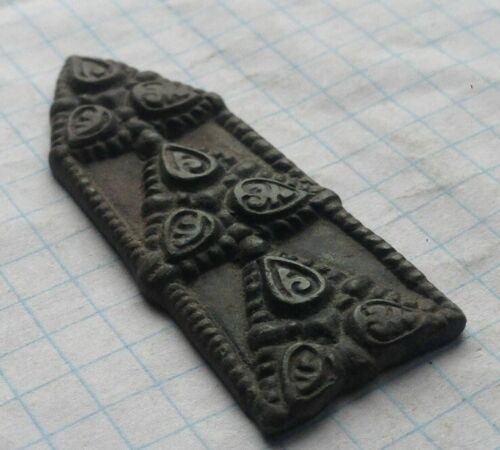
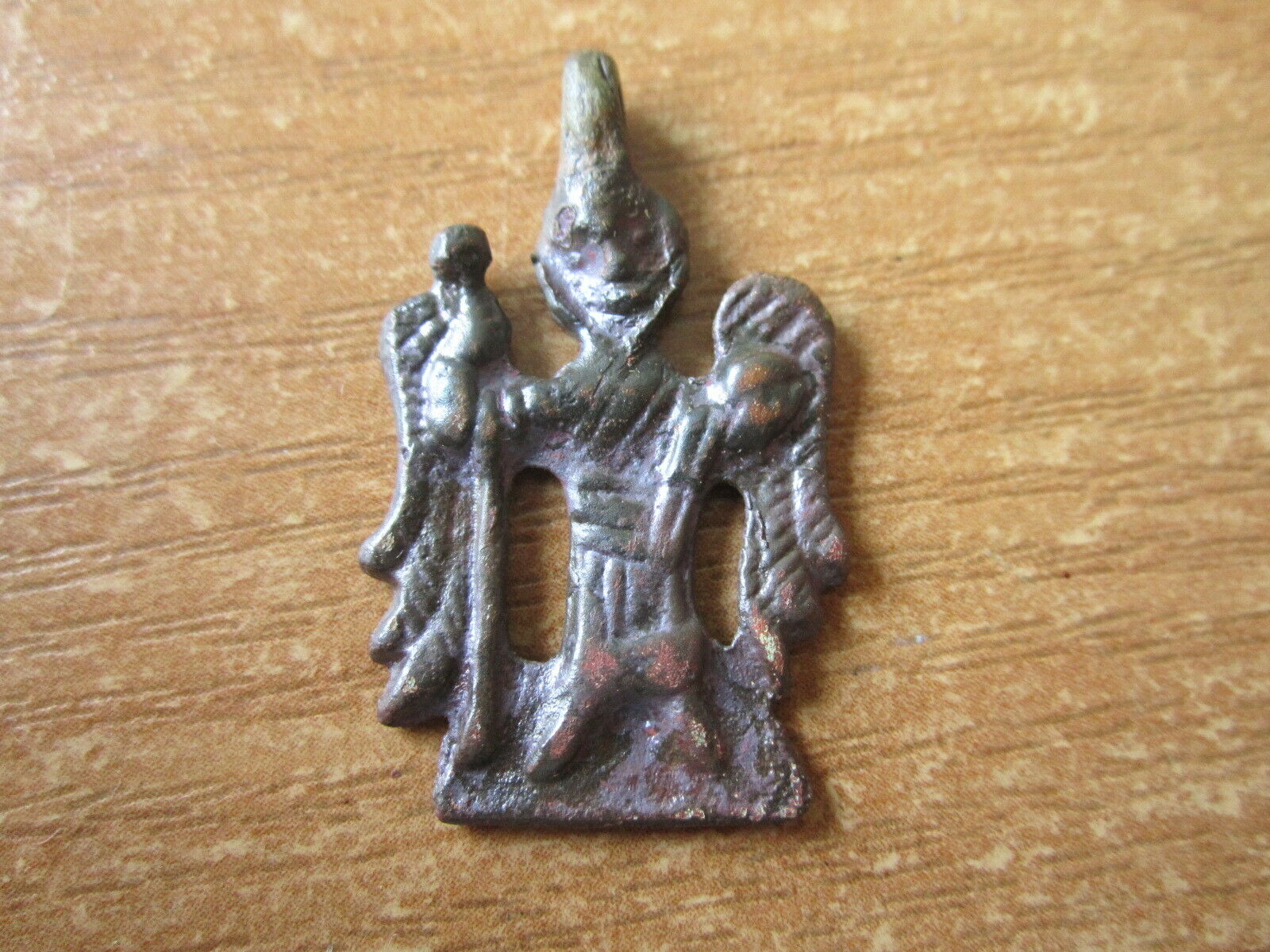
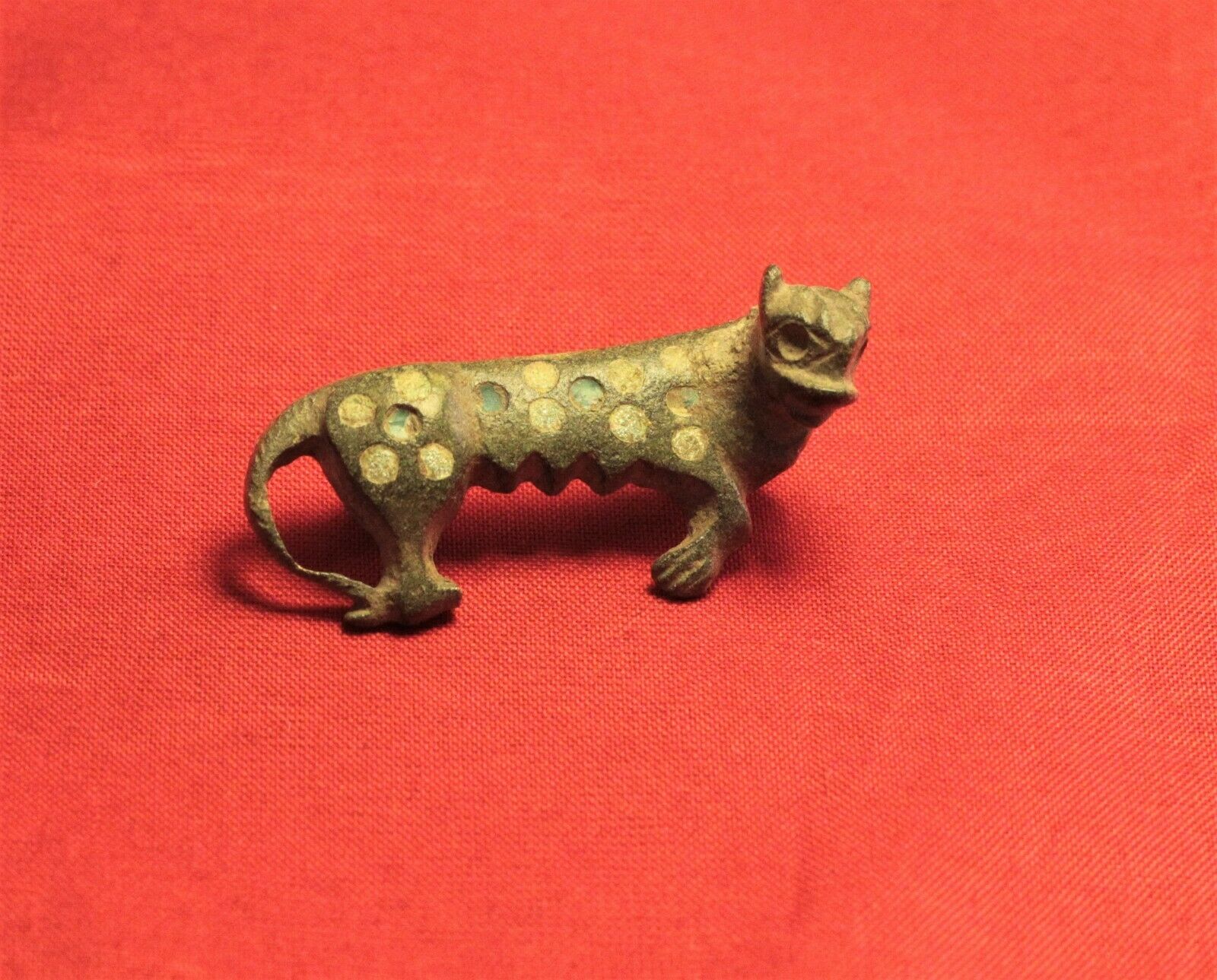
Authentic Crusader Knight Templar Heraldic "Cross-Shield" Ring 1200-1300AD. Crusader Knight Templar Heraldic "Cross-Shield" Ring (Circa 11th–13th Century AD) US Size 5.5 Authentic. Heraldic Significance : The combination of the shield and the cross was the primary visual identity of the military orders, such as the Knights Templar and Hospitallers, serving both as a declaration of faith and a military rank indicator. Crusader Knight Templar Heraldic "Cross-Shield" Ring (Circa 11th–13th Century AD) US Size 5.5 Authentic Authenticity Notice This artifact is certified authentic and will be accompanied by a Certificate of Authenticity and Provenance. All professional inventory includes provenance from Biddr to ensure authenticity and legal standing. Details Object : Heraldic Signet Ring. Culture : Crusader / Knights Templar period. Date : Circa 1095–1291 AD. Material : Bronze (Copper-alloy). Form : Pointed mandorla/almond-shaped bezel with heraldic cross and shield motif. Ring Size : US Size 5.5. Region : Holy Land (Jerusalem find). Iconographic Analysis: The Crusader Cross-Shield This bronze signet ring represents the military and religious fervor of the Crusader states in the Levant. The Design : The bezel features a deeply incised heraldic shield in a "mandorla" shape. Within the shield is a stylized Cross Patteé or Jerusalem Cross variant, characterized by flared arms and central pellet details. Heraldic Significance : The combination of the shield and the cross was the primary visual identity of the military orders, such as the Knights Templar and Hospitallers, serving both as a declaration of faith and a military rank indicator. The "Pinky" Size : With a US size of 5.5, this ring was likely worn on the pinky finger of a knight's hand or by a younger member of a noble Crusader family. Signet rings of this size were frequently used to seal private correspondence with hot wax. Overview and Historical Context Following the First Crusade and the establishment of the Kingdom of Jerusalem, a unique "Crusader Art" style emerged, blending European heraldry with local Eastern craftsmanship. This ring is a tangible relic of that era, recovered from the Holy Land. It would have been a prized possession of a Frankish knight or settler, used as a personal seal of authority in a territory constantly contested by the forces of the Latin West and the Islamic East. Authenticity Check Patina : The artifact displays a superb, stable dark "charcoal" and "umber" patina , with distinctive reddish-brown earthen encrustation within the recessed heraldry. Mineralization : Characteristic bronze-oxide "pitting" and stable mineralization are present, consistent with nearly 800 years of burial in the arid soils of the Levant. Construction : The hoop shows an authentic, manual-finished profile with slight asymmetry typical of medieval hand-casting and cold-working. Comparable Examples The Israel Museum, Jerusalem : Permanent collection of Crusader-era jewelry and military signets found in the Old City. The British Museum, London : Accession No. AF.902 (Medieval bronze signet rings with heraldic shields). The Louvre, Paris : Extensive holdings of Crusader artifacts from the Levant and the County of Tripoli. Condition Superior archaeological condition. The bronze is exceptionally solid and wearable. The heraldic "Cross-Shield" motif remains sharp and deeply defined under a professional, museum-grade patina. 7-9