



Carbon Monoxide Warning Alarm Sensor LED Digital Battery Powered
$ 21.65
Description
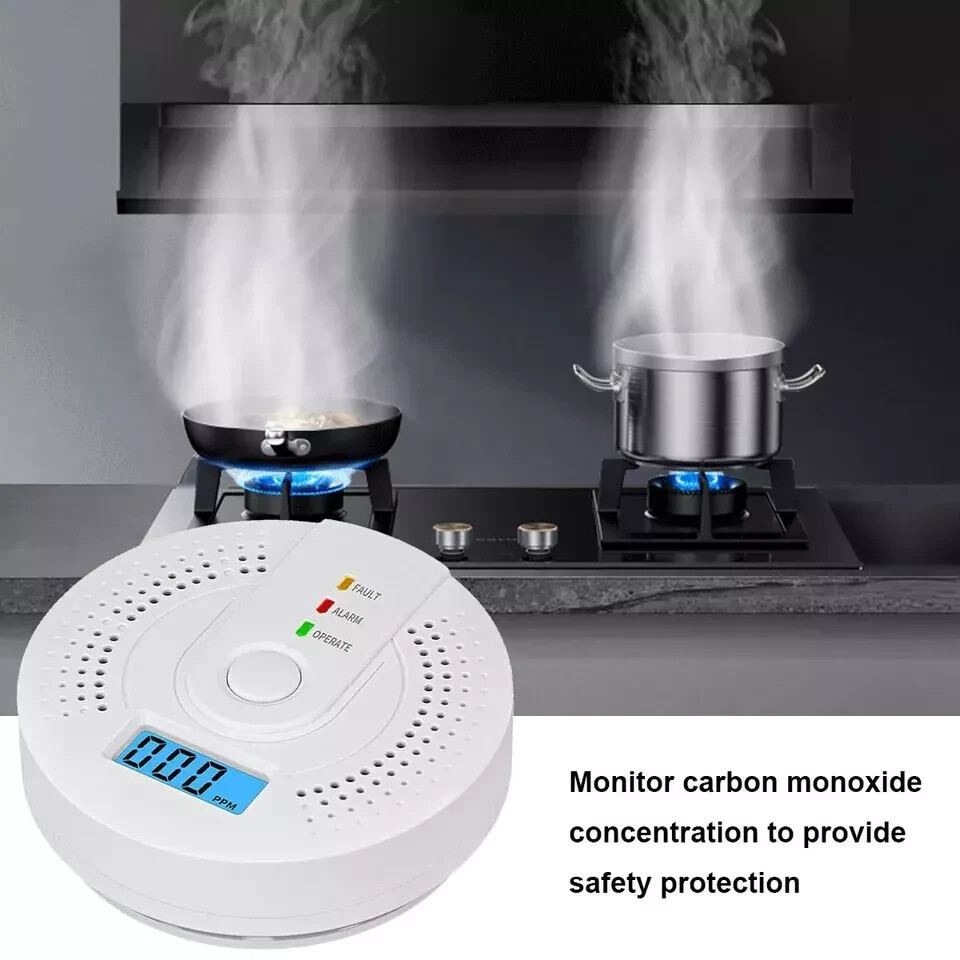
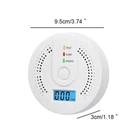
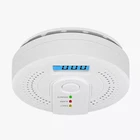
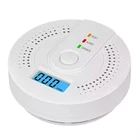
Carbon Monoxide Warning Alarm Sensor LED Digital Battery Powered (FREE US SHIPPING) Detection Technology: Electrochemical Sensor: Most CO alarms use an electrochemical sensor to detect carbon monoxide. These sensors are sensitive to low levels of CO and provide accurate readings. Sensitivity: The device typically detects CO concentrations in the air as low as 30 parts per million (ppm), with alarms often triggered at concentrations of 50-100 ppm depending on the model. 2. LED Display: Digital Readout: The alarm is equipped with a digital display showing the current level of carbon monoxide in the air. This allows users to monitor CO levels in real-time. The LED screen often displays numerical readings, indicating the concentration of CO detected (measured in ppm). Status Indicators: LED lights on the device may also serve as status indicators. For example, a green LED may indicate normal operation, while a red LED flashes when an alarm is triggered. 3. Audible Alarm: Warning Sound: When carbon monoxide is detected at dangerous levels, the alarm emits a loud sound, often at 85 decibels or more, to alert the occupants. This is especially useful in emergency situations where immediate attention is needed. Alarm Pattern: The alarm might produce a series of short bursts or a continuous tone to distinguish it from other household alarms, like smoke detectors. 4. Power Source: Battery Powered: The device operates on batteries, making it easy to install and use without the need for complex wiring. It typically uses AA or 9V batteries, and a low-battery warning alerts users when it’s time to replace the batteries. Long Battery Life: Depending on the model, the battery life can last from 1 to 5 years, after which the entire unit may need to be replaced. 5. Compact Design: Portable and Easy to Install: The device is typically compact, lightweight, and easy to mount on a wall or place on a flat surface. Its size makes it unobtrusive in a room while still being easily visible and accessible. Mounting Options: It usually comes with a wall-mounting bracket or can be placed on a shelf or countertop. Some models also offer a tabletop option. 6. Additional Features: Test/Reset Button: Most models include a button to test the unit’s functionality and ensure it is working properly. The button is often used to reset the alarm once the CO levels have normalized. Tamper-resistant Features: To ensure the device remains functional and secure, some CO detectors come with tamper-resistant covers or mechanisms to prevent accidental removal of the batteries or the device itself. 7. Compliance & Certification: Safety Standards: The CO alarm typically complies with recognized safety standards, such as UL (Underwriters Laboratories) certification in the U.S. or CE marking in Europe. This ensures the product has been rigorously tested for quality and performance. Warranty: Many devices come with a warranty that guarantees their performance over a specified period, typically 1-5 years. 8. Usage: Ideal for Locations with CO Risks: It is commonly used in kitchens, near gas appliances, near fireplaces, or in basements where there is potential for carbon monoxide to accumulate. Emergency Response: In the event of an alarm, it is important to ventilate the area, leave the space, and call emergency services to handle potential CO poisoning situations.